A nonprofit research initiative
Detection.
Wherever You Are.
Reach Further. Know More. Act Sooner.
We're exploring how smartphones and machine learning can extend the reach of health screening to people who can't easily reach it.
Who we are
We believe health screening should travel as far as people do.
InstantDetect Initiative, Inc. is a developing nonprofit research initiative. We work with researchers and communities to study whether everyday smartphones, paired with machine learning, can offer meaningful signals about a person's health.
We're not assuming the technology works. We're doing the research to find out. We test what is possible - not what we hope is possible.
How it works
Three steps.
One open question.
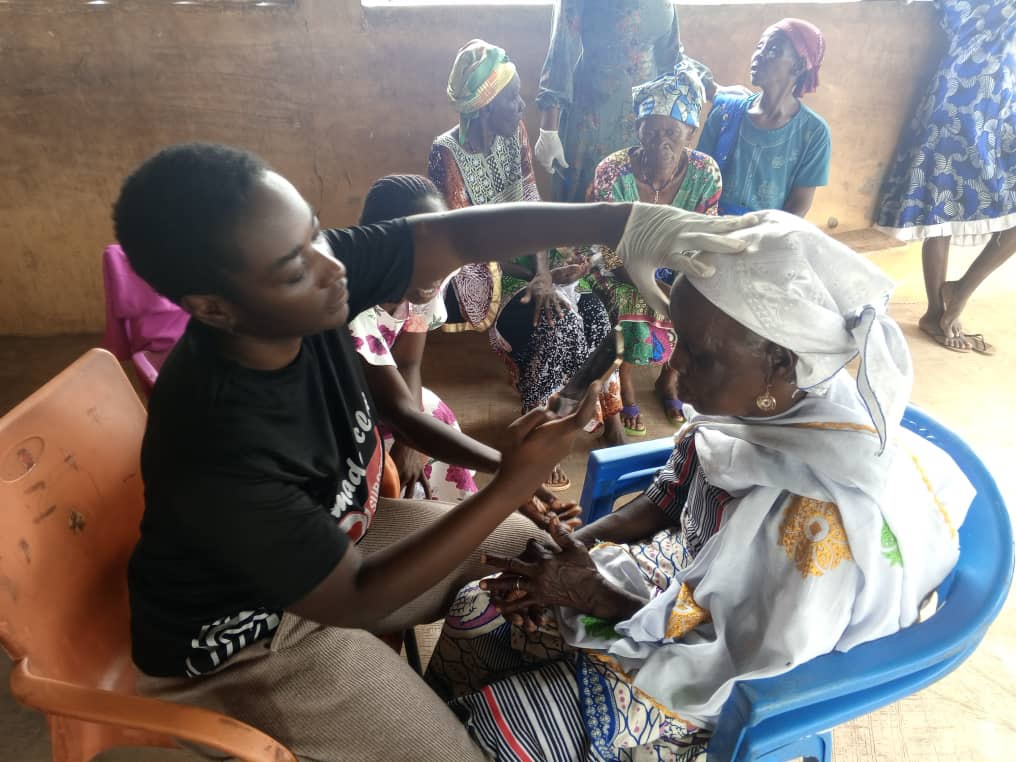
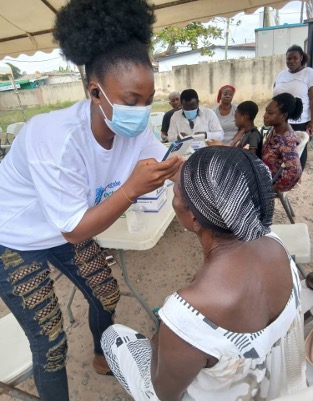
A smartphone captures an image of the eye
No special hardware. A trained person uses an ordinary phone camera in a clinic or community setting.
Machine learning looks for signals
Software examines the image for patterns that might relate to a health condition, such as malaria.
Research tells us whether those signals are meaningful
This is the part we don't know yet - and the reason the research exists. Careful studies against established clinical tests will tell us whether the signals hold up.
The open question
Already in the field
Field Experience in Ghana
We're not waiting for the research to begin before we learn from the field.
Right now, our smartphone-based technology is being used to collect health-related data in the field in Ghana. That hands-on experience, from how images are captured to how data is handled with care, is teaching us what it takes to make the tools work in real settings.
Everything we learn there directly informs the design of our malaria research program in Mali.
First research project: Malaria
Mali, West Africa
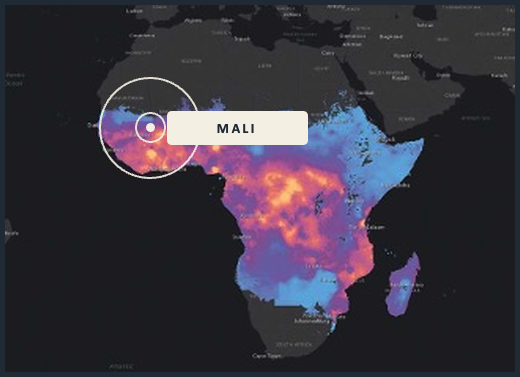
We have kicked off Phase 1 of a four-phase malaria research program in Mali, conducted under IRB review (an independent ethics board that oversees research involving people) with the University of Sciences, Techniques and Technologies of Bamako. Its purpose is simple: find out whether smartphone-captured images of the eye can be used with machine learning to identify malaria-related signals.
Phase 1
Collect
Capture eye images and data from people with and without malaria.
Phase 2
Develop
Build and test the machine learning model to identify indicators of malaria.
Phase 3
Validate
Test the model in the field - against traditional clinical testing.
Phase 4
Report
Document the findings and determine what comes next.
We will report what we find - including if the answer is no.
Potential future directions
Where the research could lead.
If the malaria research demonstrates useful signals, we'll explore whether the same approach - a smartphone, an image of the eye, and machine learning - could help with other conditions.
Malaria
Our first study, now underway in Mali.
Diabetes
A potential future direction.
Hypertension
A potential future direction.
Concussions
A potential future direction.
…and possibly more diseases
Wherever the evidence leads.
These are possibilities, not promises. Each would need its own research before we could say anything about it.
Get involved
Help extend the reach of health screening.
We're looking for research partners, supporters, and organizations interested in expanding access to health screening and health research.
If you work in global health, clinical research, or community health delivery, or you simply believe screening should reach further, we'd like to hear from you.
Partners & collaborators
Thank you.
Your message has been sent. We read every one and will be in touch.